

There is a moment in February or March when the light changes — barely perceptibly, but it does. The sun suddenly stands differently, falls deeper into the room, and what it illuminates, you see with new eyes. Often it is not a pretty sight.
The living room has survived the winter, but it still carries it. The heavy blankets pile up, the candles have burned down, the vases stand empty. It smells of warmth and confinement — of protection that is no longer needed.
What comes now is not a renovation.
It is a gesture. Four of them, to be precise.
01 FIRE & LIGHT /
The Only Thing That Truly Brings a Room to Life
Write it on a Post-It: No piece of furniture, no rug, no carefully chosen plant brings a room to life as reliably as an open fire.
This is not a sentimental claim — it is evolutionary biology. Humans have lived around fire for millennia, eating, telling stories, thinking. The brain still recognises flames today for what they once were: a signal.
"It is safe here. You can stay."
What was once a privilege of the old apartment with a functioning fireplace has today become accessible. Bio-ethanol fires work without a flue, without a vent, without an installer. They simply stand — next to the coffee table, hang above the sideboard, on the floor — and do what fire has always done.
What makes the Le Feu special is its restraint. It does not compete with the room. The handcrafted dome channels the flame, protects it from draughts and yet lets it breathe. When you light it for the first time, you will understand what interior designers mean when they speak of an "anchor": the one object around which a room finds its meaning. The moment when a collection of furniture stops being a room and starts being a home.


02 TEXTURE /
What the Eyes Cannot See, the Hands Can Feel
There is a reason why the most beautiful living rooms in the world cannot be photographed. Not really. Every photo, no matter how good, conceals the most important thing: how it feels.
Texture is the underestimated sense in interior design. We talk about colours and proportions, about light and spatial feeling — but what truly makes a room inviting is the answer to a very old, very physical question: If I were to simply lie down here right now, what would I feel?
The answer is layers. Not in the sense of overloading — in the sense of depth. A single throw that brings the texture of a coarse weave. A cushion that responds with a different material. The room begins to hold conversations between its own surfaces.
What almost always works: naturalness beats perfection. A slightly crumpled material tells of use, of life, of someone who really sits here. The over-styled surface, where you dare not breathe, is the opposite of atmosphere. It is a showroom.
Never combine more than two textures on a sofa. Two materials hold a conversation. Three start to argue. What is meant to look like abundance appears, in excess, like indecision — and you notice it, even if you cannot name it.


03 SCENT /
The First Thing a Room Reveals About You
Before we see a room, we smell it.
This sounds trivial, but it is not. The scent of a room is the first and most honest judgement we make about it — and the most unconscious. Nobody says: "This living room smells of too many winters." But everyone feels it.
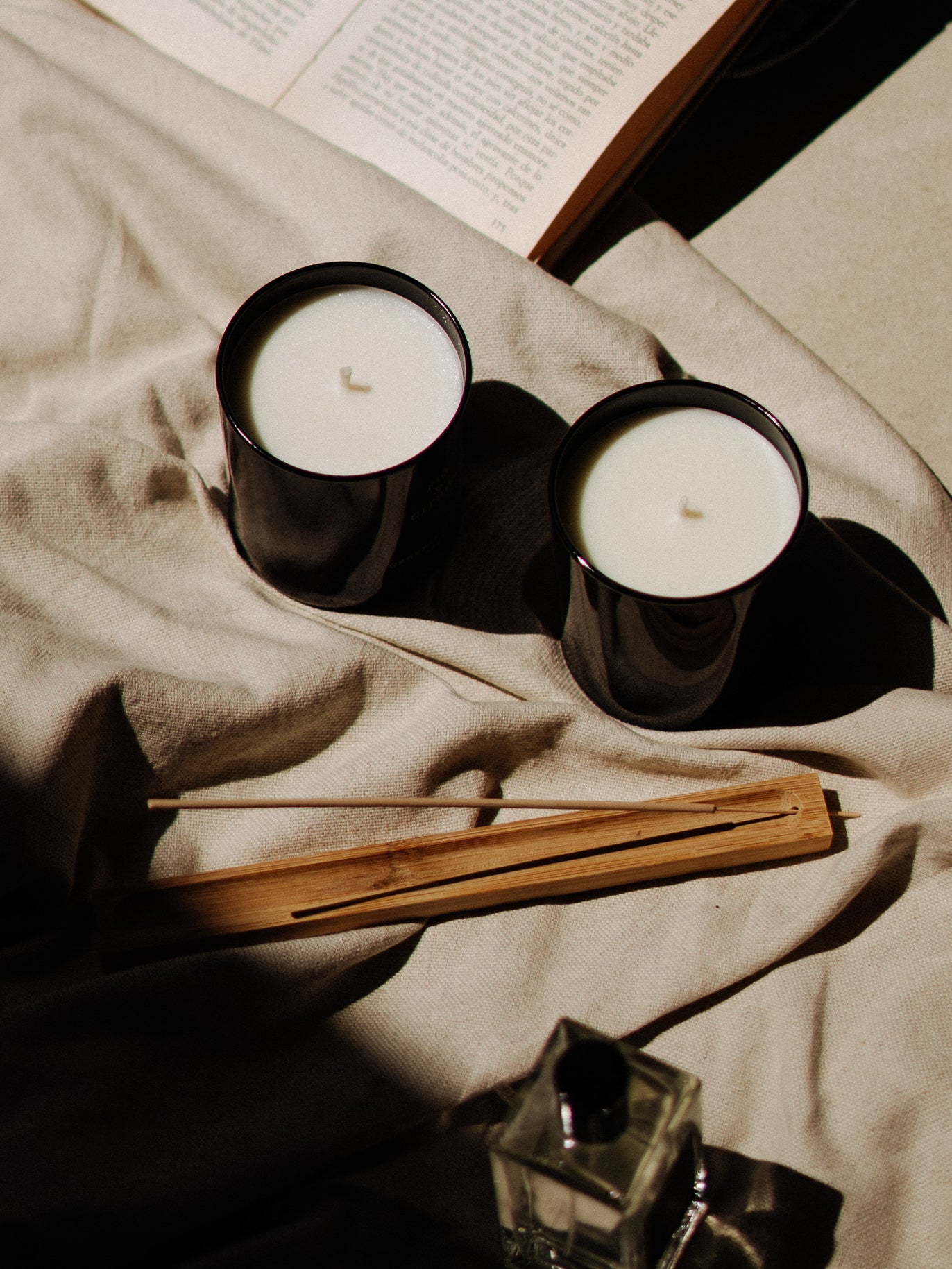
Spring does not begin in the living room with bright colour or new flowers. It begins with a different scent. With the burning of a candle that smells of bergamot or white tea or freshly cut wood. With the end of the closed winter and the beginning of something lighter, airier — something that smells like a half-open window.
Premium candles with long burn times and a high fragrance oil content are not a luxury here — they are a necessity. A cheap candle smells of heated paraffin after an hour. A good candle changes the air of a room — subtly, evenly, for hours — until you no longer know whether it is the candle or your own thought that smells so good.
Always light a new scented candle for the first time right after you have briefly opened a window. The fresh air and the new scent overlap, and the brain stores the room as "new". A small ritual with a remarkable long-term effect.


04 THE SILENT OBJECT /
Not Everything Needs a Purpose
This is perhaps the most radical suggestion on this list.
Buy something that does nothing.
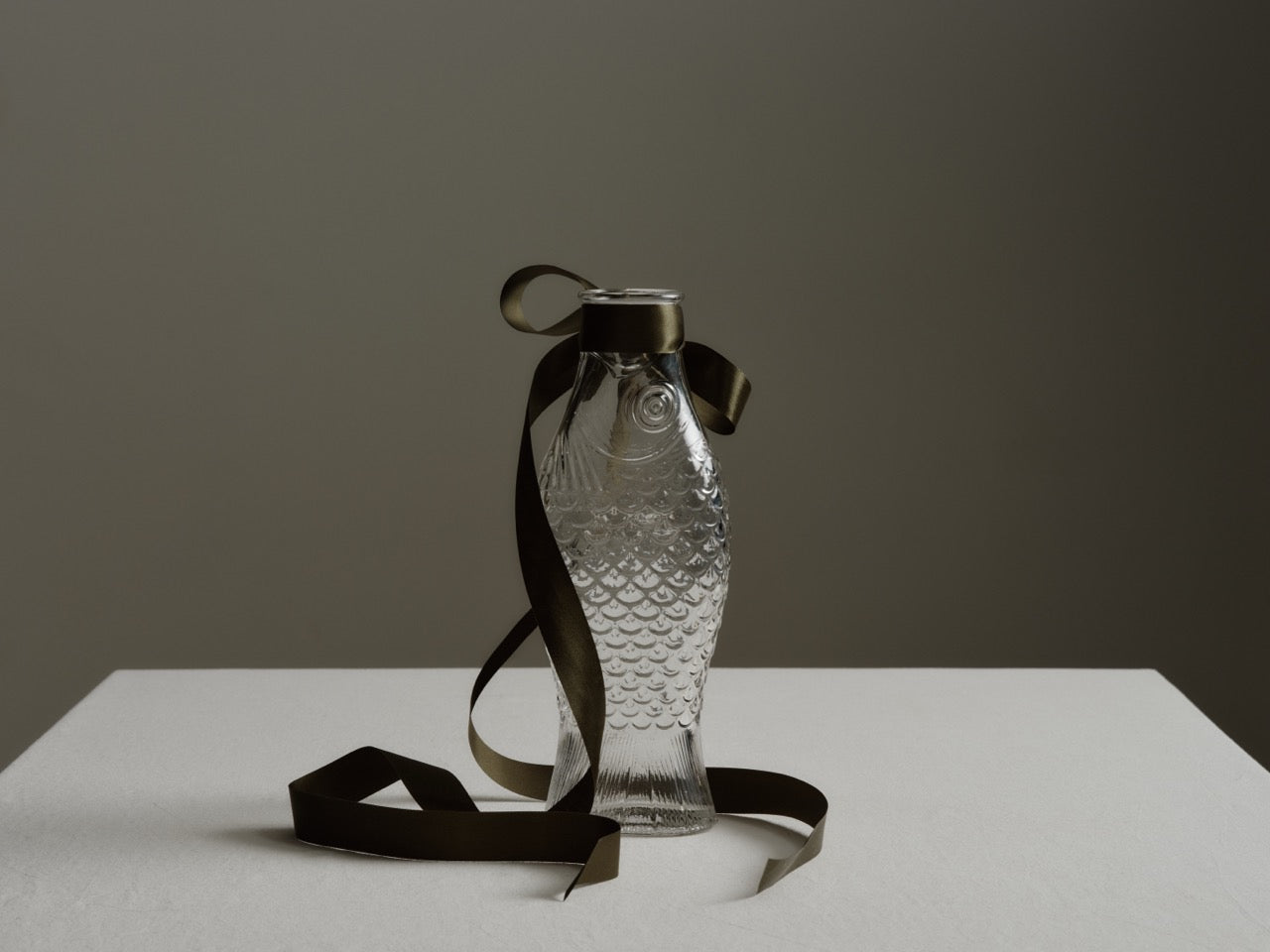
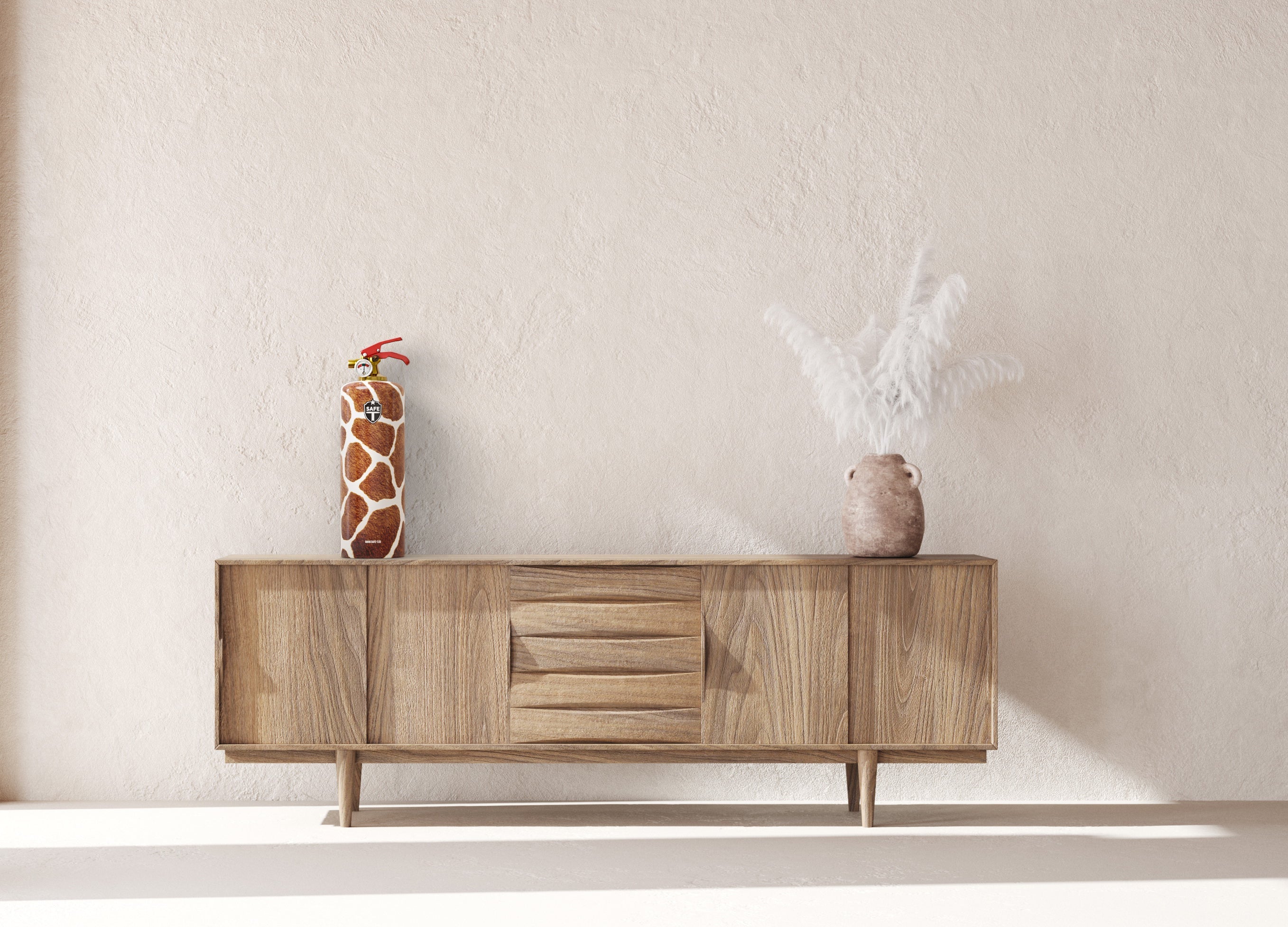
Does not store, does not light, does not scent, does not seat. An object that simply exists. A handcrafted ceramic bowl without function. A heavy marble block lying on the coffee table like a quiet statement. A sculpture you found at a potter's who could not explain it — and which you bought for exactly that reason.
In Japanese aesthetics, this principle is called "Ma" — the meaningful empty space. The object without function is the breathing room in a sentence: it gives the rest the possibility to take effect. It says: nothing is being optimised here. Something is simply allowed to be.
The best living rooms in the world always have one thing: an object that you do not immediately understand. That you turn, observe, question. That tells a story you tell yourself — and differently every time.


Waking your living room from its winter hibernation requires no renovation.
It requires intention. Fire, texture, scent, silence — four layers placed upon one another create something that cannot be bought: the feeling of truly being at home. Not in an Instagram home. In yours.
And if you ask us where to begin: light the fire first. Everything else will follow on its own.
— Your LeCubi Editorial Team, March 2026


0 comments